
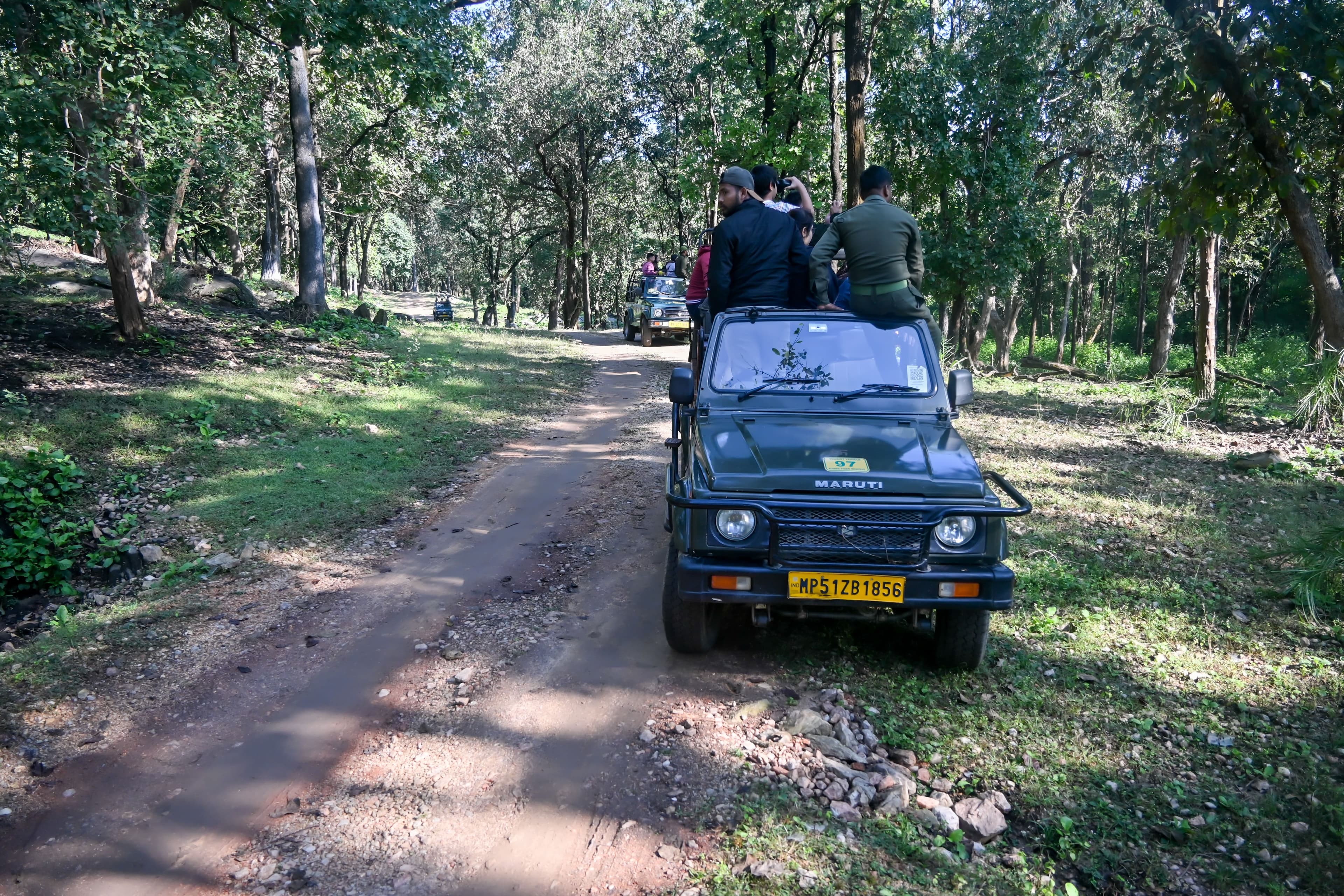
Kanha National Park in Madhya Pradesh is one of India's best-run tiger reserves, and one of the easiest to plan a first safari trip around — but the zone system, permits, and seasonal closures trip up a lot of first-time visitors. Here's how it actually works.
Why Kanha, Specifically
Kanha's sal and bamboo forests, interspersed with open grassland meadows, make it one of the more visually striking parks in central India — and one of the more reliable for tiger sightings, thanks to a healthy, well-monitored population. It's also home to a genuine conservation success story: the hard-ground barasingha (swamp deer), which was brought back from the edge of local extinction here through a sustained, long-running conservation programme. Kanha remains one of the few places in India where you can reliably see this subspecies in the wild.
Understanding Kanha's Safari Zones
The park is divided into several safari zones, each entered through its own gate and running its own vehicle permits:
- Kanha zone — the most popular and typically the busiest, with a strong sighting record.
- Kisli zone — adjoins Kanha zone, similarly well-established.
- Mukki zone — further from the main entrance, generally quieter, and a good option if you want fewer vehicles around a sighting.
- Sarhi zone — one of the newer zones, worth asking about if you're visiting during a peak weekend and want to avoid the crowds.
Each zone has a daily quota of vehicles, and permits are allocated through the Madhya Pradesh forest department's official booking system (your operator will typically handle this for you). Because quotas are limited, especially in peak season, book your dates well ahead rather than expecting to arrange a safari on arrival.
Best Time to Visit for a Safari
Kanha is open from October through June and closes for the monsoon, roughly July to September, when the park needs the break for wildlife breeding season and the interior roads become difficult to use safely.
- October–November: the park has just reopened, vegetation is still lush from the monsoon, and sightings can take a little more patience.
- February–April: widely considered the best window — foliage thins out, temperatures rise, and wildlife concentrates more predictably around waterholes, which meaningfully improves your odds.
- May–June: hot, sometimes very hot by mid-afternoon, but this heat also drives animals to water sources more often, and it's a genuinely good window for sightings if you can handle the temperatures.
- December–January: cold mornings, occasionally quite cold on an open jeep at dawn, but beautiful misty light for photography.
Morning vs Afternoon Safari
Most visitors do both if their schedule allows. Morning safaris start at first light, when the park is at its coolest and animals are often still active before the day heats up. Afternoon safaris run into early evening and tend to have a different rhythm — good for birdlife and for a different quality of light, even if predator sightings can be a little less predictable than the early slot.
What You Might See
Tiger sightings are the headline reason most people visit, but Kanha rewards patience beyond that: barasingha in the open meadows, gaur (Indian bison) at the forest edge, dhole (Indian wild dog) in packs if you're fortunate with timing, and a genuinely rich bird list across the sal forest and grassland habitats. Leopard sightings happen but are rarer and more a matter of luck than planning.
Planning Tips
Book your safari permit and vehicle well in advance, especially for weekends and the Feb–April peak window. Dress in muted colours, keep noise to a minimum inside the vehicle, and follow your guide's and driver's instructions on distance from wildlife — both for your safety and the animals'. If you're travelling in December or January, layer up properly for the early-morning cold; it catches a lot of first-timers off guard on an open jeep.
Ready to Plan Your Kanha Trip
Get in touch and we'll help you work out the right zone, the right season for what you want to see, and a realistic day-by-day plan around your safari slots — explore Kanha National Park to see what a Tripan India trip here looks like.